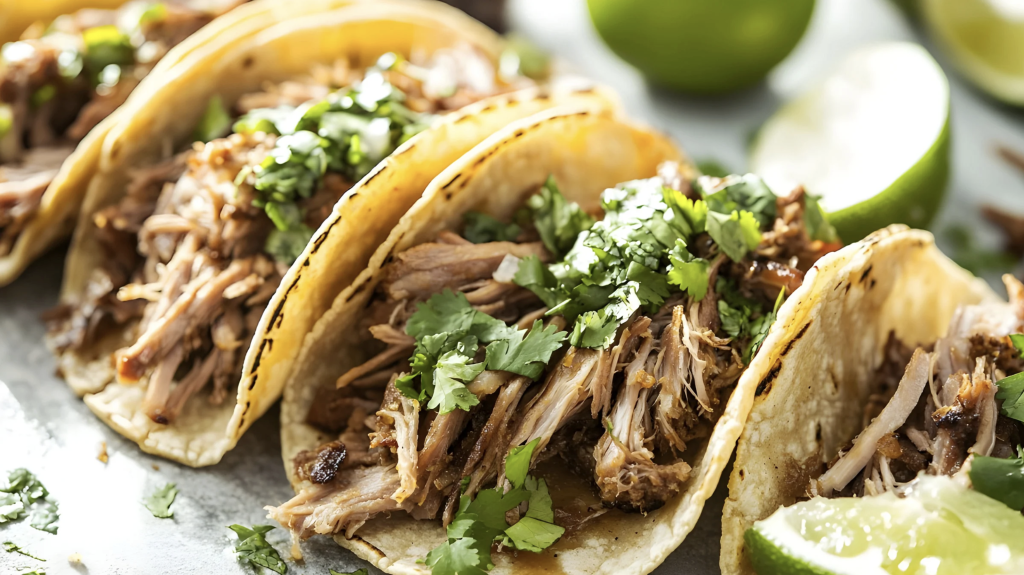
How one local ingredient turned a weekend meal into something more
One of the quiet joys of living close to farmland is how easily fresh ingredients slip into everyday cooking.
“They’re delicious. You’re going to love them.”
Sometimes it’s a stop at a farm stand.
Sometimes it’s something you discover at a winery.
And sometimes, it’s a small moment that ends up shaping an entire weekend in the kitchen.
That’s what happened recently when I stopped by Tolenas Winery.
Outside, near their fruit stand, a team member handed me a bag of just-picked Cara Cara oranges from Tenbrink Farms. I remember saying how excited I was to try them, and she smiled and said:
She was right.
On that Saturday, I already had carnitas in mind. It had been a while since I’d made them, and I wanted something I could cook once and enjoy throughout the week. But standing there with those oranges in my hands, the plan shifted.
If I were going to use citrus in this dish, it needed to match the quality of everything else.
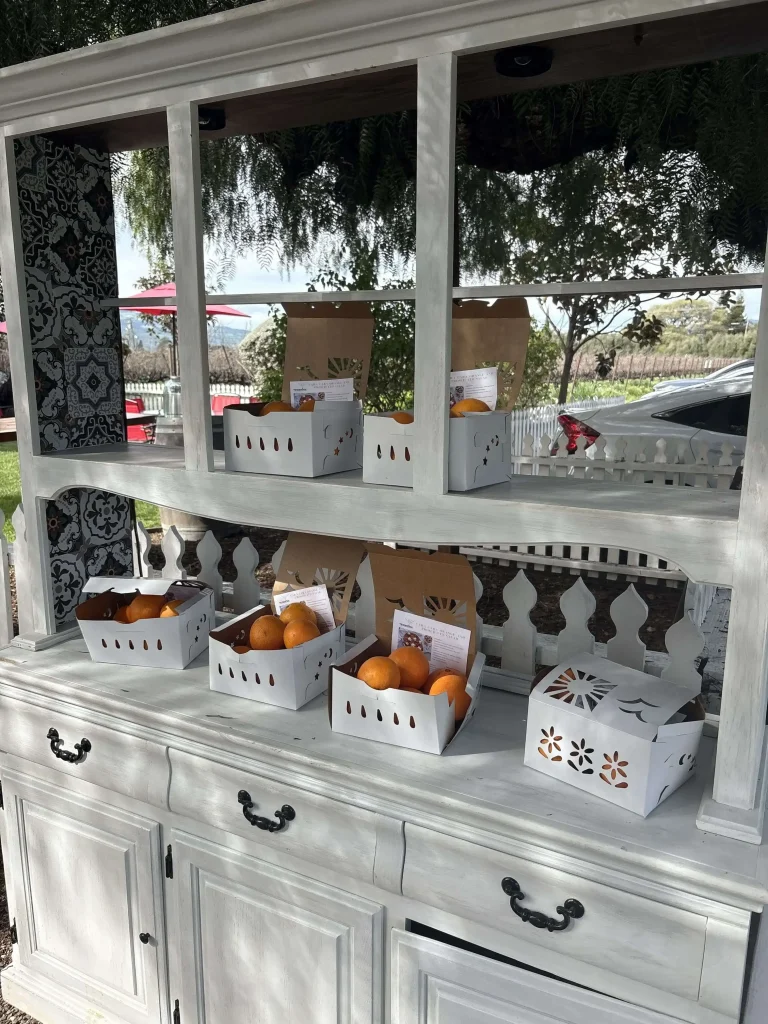
The Ingredient That Set Everything in Motion
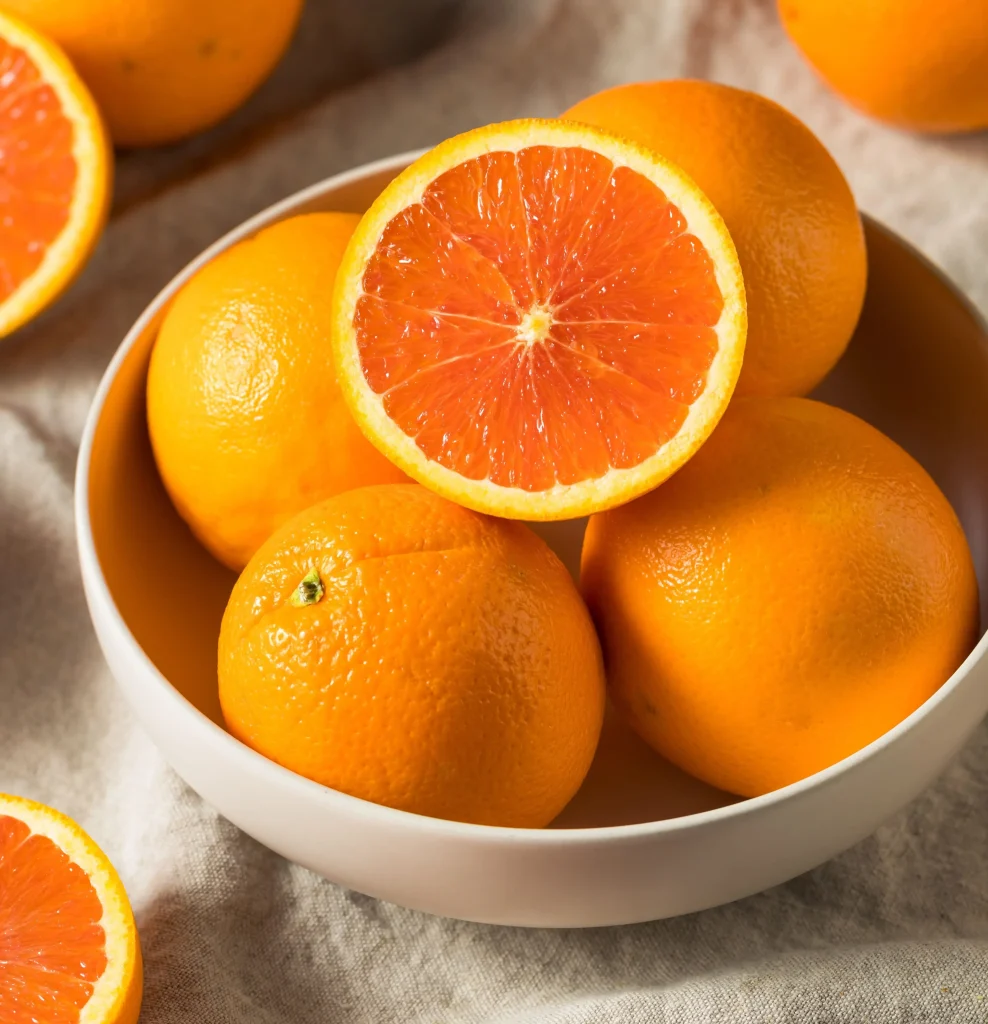
Cara Cara oranges sit somewhere between an orange and a grapefruit in appearance. When I cut into them, the flesh had a soft pink hue. Firm. Juicy. Vibrant.
The flavor stood out even more.
Sweeter than a typical navel orange, but with a deeper, almost savory note. It made me pause for a second because it wasn’t what I expected—in the best way.
That depth made the decision easy.
Carnitas rely on citrus for both flavor and tenderness. Since I was using a high-quality cut of meat, I want everything else to rise to that same level.
These oranges felt like they belonged.
And that’s the quiet power of local fruit: it doesn’t just “work” in a recipe. It invites you to build the whole meal around it.
A Simple Recipe, Made Personal
I followed a classic carnitas approach, with a few small shifts inspired by what I had on hand.
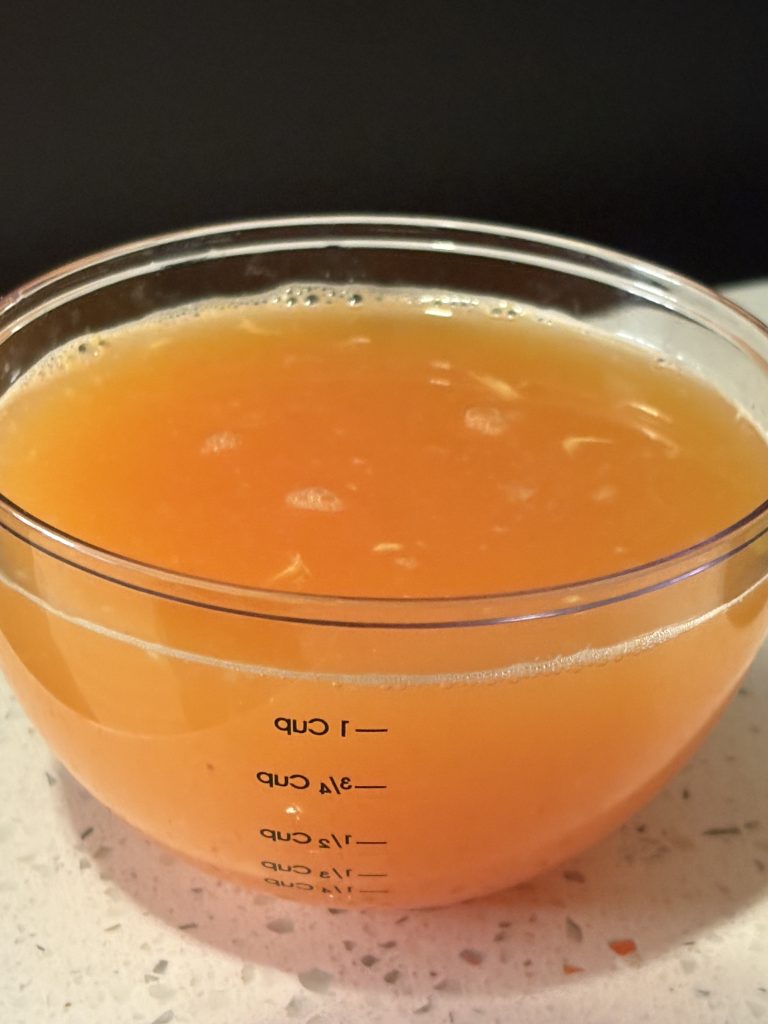
I used a full cup of freshly squeezed Cara Cara orange juice so that the flavor would carry through the entire dish. I added a full head of garlic, which is pretty typical for how I cook.
For the liquid base, I poured in a bottle of Sierra Nevada Pale Ale. It has a mild, balanced flavor that pairs well with citrus and adds another layer without taking over.
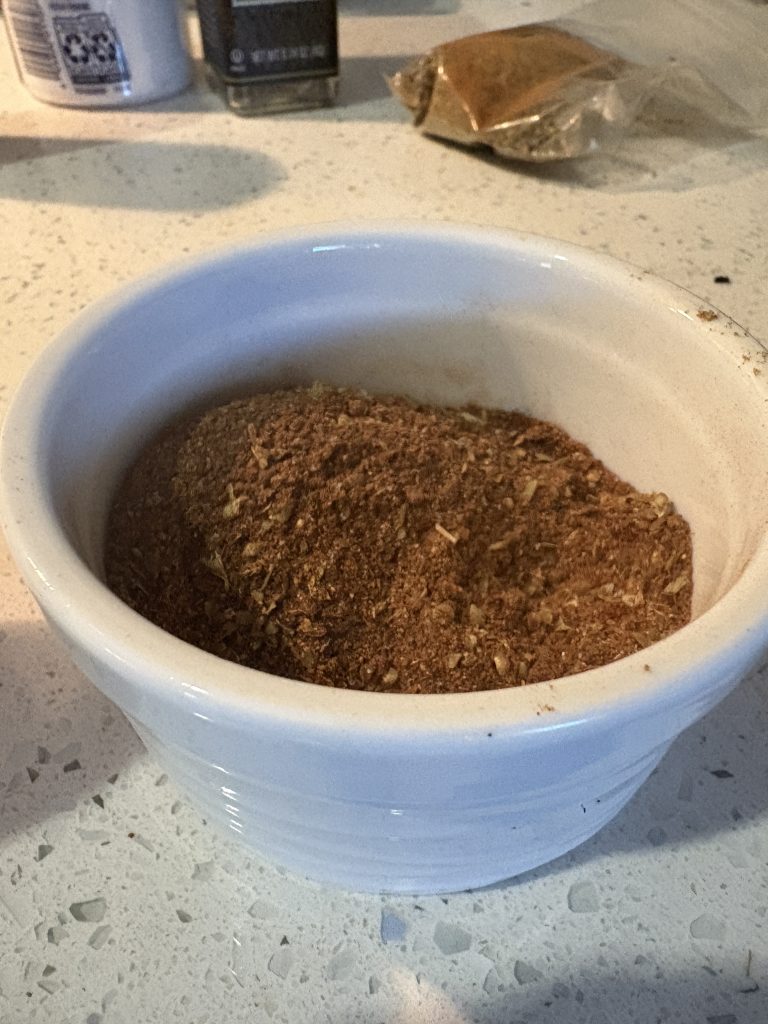
Some additions came from family influence. My cousin, Jaymie, suggested including poblano peppers, and they brought a mild heat that rounded everything out nicely. As such, I skipped the chipotle peppers and tomato juice (personal preference).
From there, it was about building flavor with intention:
Bay leaves for depth.
Chili powder for warmth.
Chicken stock to support the braise.
Nothing complicated. Just thoughtful choices, one ingredient at a time.
The kind of choices that are easier to make when the ingredients in front of you feel special and close to home.
Letting Time Do the Work
I seared the generously seasoned meat on all sides, then cooked the pork low and slow for about 8 hours, using the slow-cooker setting on my Instant Pot while I went about my normal workday.
As the hours passed, the kitchen filled with a savory, slightly spicy aroma. The kind that quietly follows you from room to room and lets you know your meal is developing just right.
There’s always a moment in a long cook when you can tell it’s going to turn out well. For me, it came right after searing the meat and adding the remaining ingredients. Everything smelled balanced and complete.
After that, it was just a matter of time.
The Transformation
After the slow cook was complete, I let the pork rest overnight. I do this on purpose. It gives the meat time to absorb more flavor and improves the texture.
The next day is where it all comes together.
The pork goes into a shallow pan, gets broken apart, and finishes in a hot oven with freshly squeezed lime juice, chili powder, and spoonfuls of the reserved fat.
As it crisps, you hear it first—a steady sizzle as the edges begin to caramelize.
The pork turns various shades of reddish-brown. The remaining marinade bubbles in the pan. You can hear the fat working as the edges crisp and develop just a slight crunch.
That final step is what takes it from good to memorable.
Building the Meal
From there, the meals came together easily.
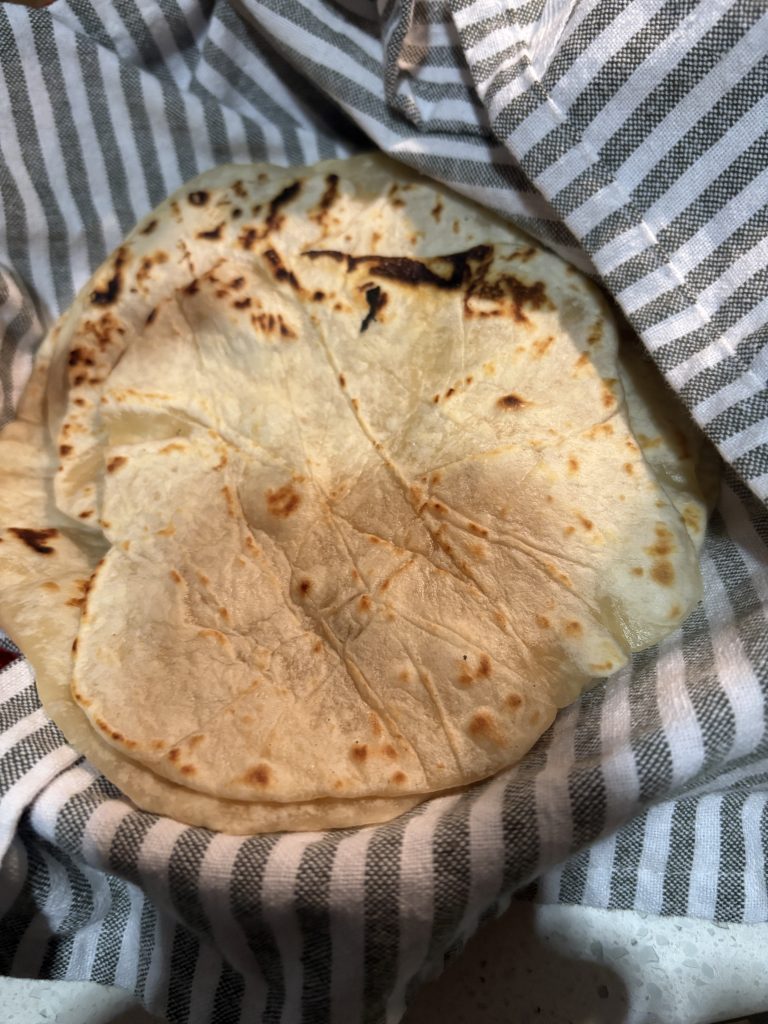
Fresh homemade tortillas set the foundation. Then came avocado, salsa verde, queso fresco, sour cream, and hot sauce.
Wil’s comment after first bite said everything
“This is amazing.”
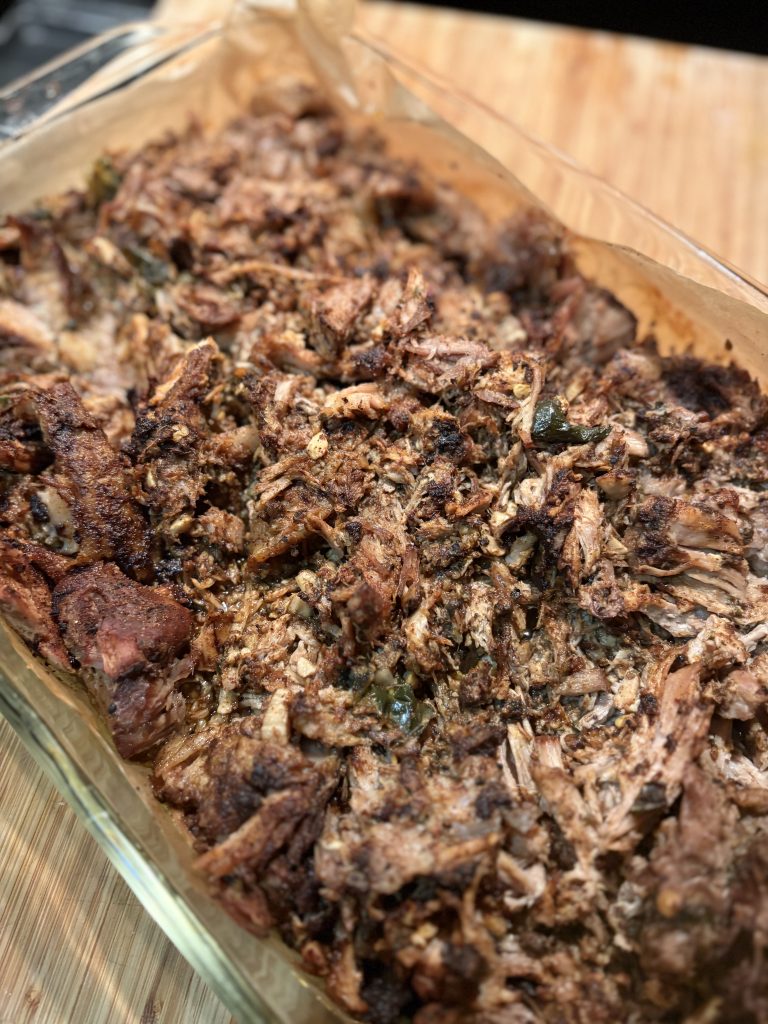
The meat was tender and full of flavor. It brought back memories of past meals, but this one felt different. More connected. More intentional.
Over the next few days, the carnitas became tacos, bowls, nachos, and quesadillas.
Two versions stood out:
Bowls made it easy to notice each individual flavor.
Tacos brought everything together into something more hands-on.
Eating with your hands changes the experience. It makes you feel closer to the food and to the effort behind it.
And like most meals like this, it wasn’t just about the food.
It was shared. Familiar. The kind of meal that lingers on the table, in conversation, and in the way you think about what you cook next time.
Why Local Ingredients Change the Experience
The difference wasn’t subtle.
Using locally grown Cara Cara oranges didn’t just improve the flavor. It changed how the entire meal came together.
Everything felt more intentional.
The flavor was brighter. The ingredients felt fresher. There was a stronger connection to what was on the plate.
Store-bought oranges, by comparison, feel flatter. Less juice. Less depth. Easy to overlook.
This wasn’t that.
And that’s where Suisun Valley quietly changes your cooking, whether you live here or you’re just visiting for the weekend.
You’re not just grabbing “an orange” from a random bin. You’re choosing fruit that grew a few miles away, from people whose names you can learn and whose fields you can see.
Once you taste that difference, it’s hard to go back to not noticing.
More Than a Meal — A Connection to the Valley
This is what makes cooking in a place like Suisun Valley different.
It’s not just access to good ingredients. It’s proximity to where they come from.
You start to notice more:
The seasons.
The people behind the food.
The way the landscape shapes what you eat.
Living here changes how you experience food day to day. It encourages you to slow down and pay attention.
The seasons start to matter more. You begin to see how they influence not just what you cook, but how you feel.
For visitors, it’s something worth noticing too.
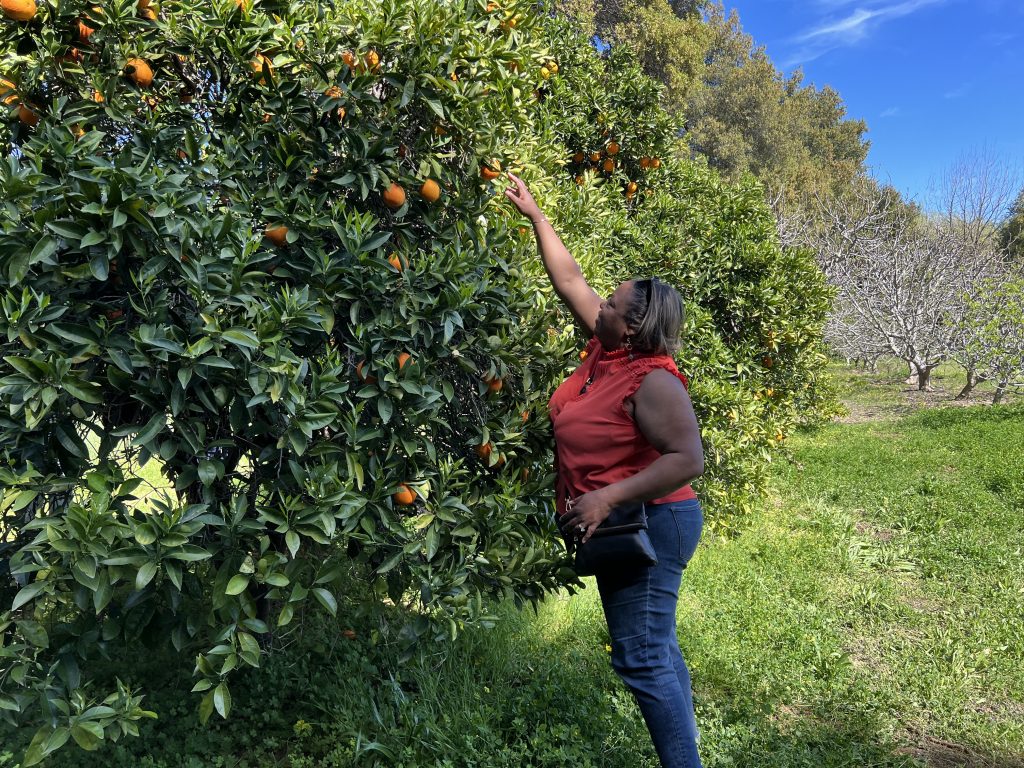
You can take a piece of this valley home with you, through a bag of citrus, a bottle of olive oil, a jar of honey, or a bundle of produce from a roadside stand. Back in your own kitchen, those ingredients carry the memory of the place where you found them.
Beyond the wine, there’s a deeper story here. One rooted in the people and their connection to the land, and in the meals that come from both.
A Simple Ingredient, A Better Experience
In the end, it started with something simple:
A few fresh oranges from a local farm.
But in a place like Suisun Valley, that’s often all it takes.
One ingredient can shape a meal.
That meal can shape an experience.
And that experience can connect you more deeply to where you are—and to the people you share it with.